The healthcare industry faces a unique operational challenge: balancing clinical excellence with effective patient acquisition. As competition intensifies across clinics, hospitals, and medical tourism providers, the ability to respond to patient inquiries quickly, qualify leads accurately, and convert them into confirmed appointments has become a critical differentiator.
AI sales agents are emerging as the technology layer that bridges this gap — operating as intelligent, always-available digital representatives that manage the entire patient acquisition pipeline without replacing the human touch where it matters most.
What Is an AI Sales Agent?
An AI sales agent is a software system powered by artificial intelligence that autonomously manages sales-related interactions. Unlike basic automation tools, an AI sales agent can understand context, respond in natural language, qualify leads based on predefined criteria, and take actions such as booking appointments or updating a CRM.
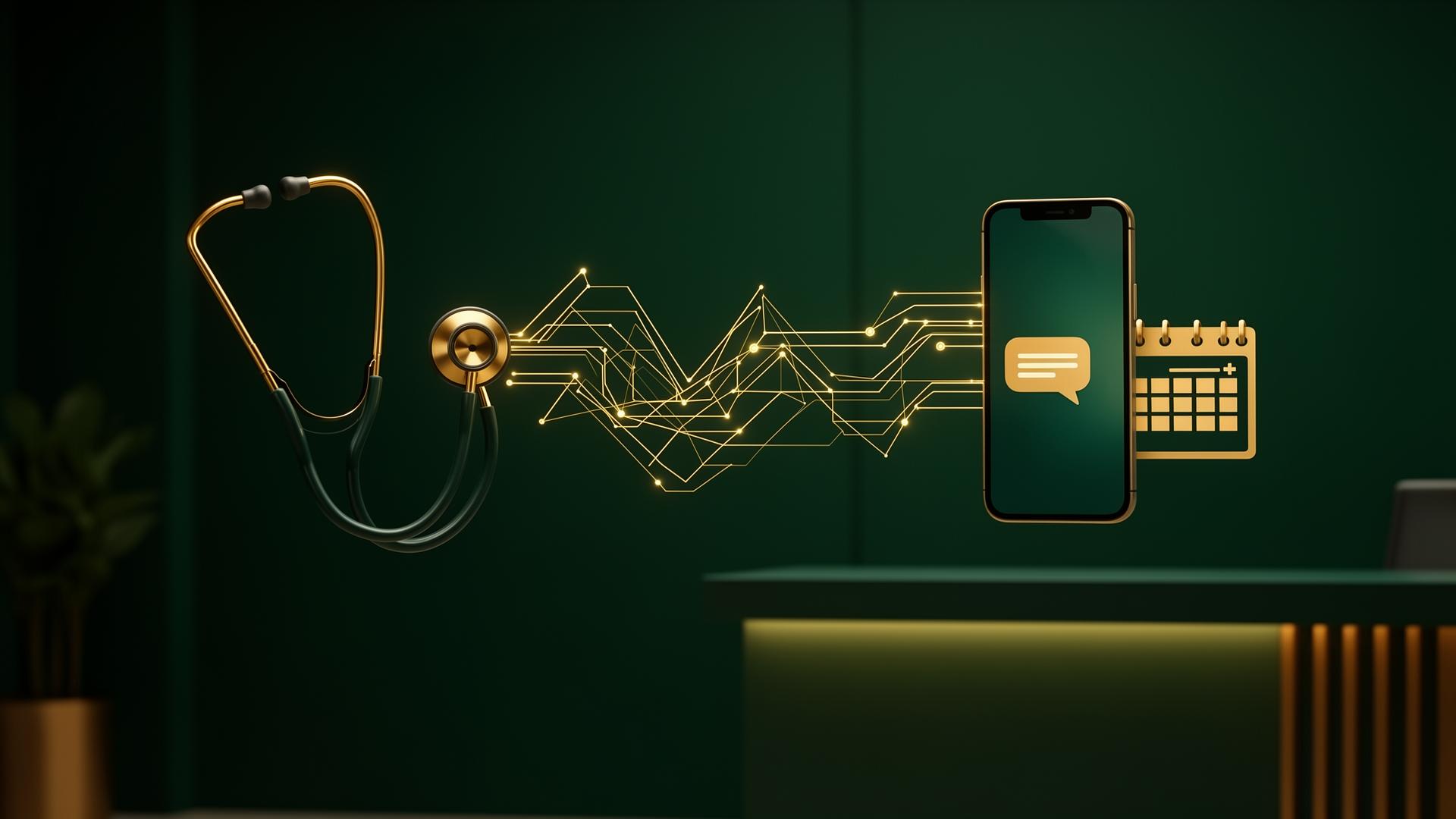
In a healthcare context, an AI sales agent operates as a virtual patient coordinator — handling incoming inquiries from websites, WhatsApp, social media, and phone channels, then guiding each potential patient through a structured journey from initial contact to confirmed booking.
Key Capabilities of an AI Sales Agent
- Natural language understanding: Interprets patient questions regardless of phrasing
- Multi-channel communication: Operates across WhatsApp, web chat, email, SMS, and voice
- Lead qualification: Evaluates patient needs against service availability and urgency
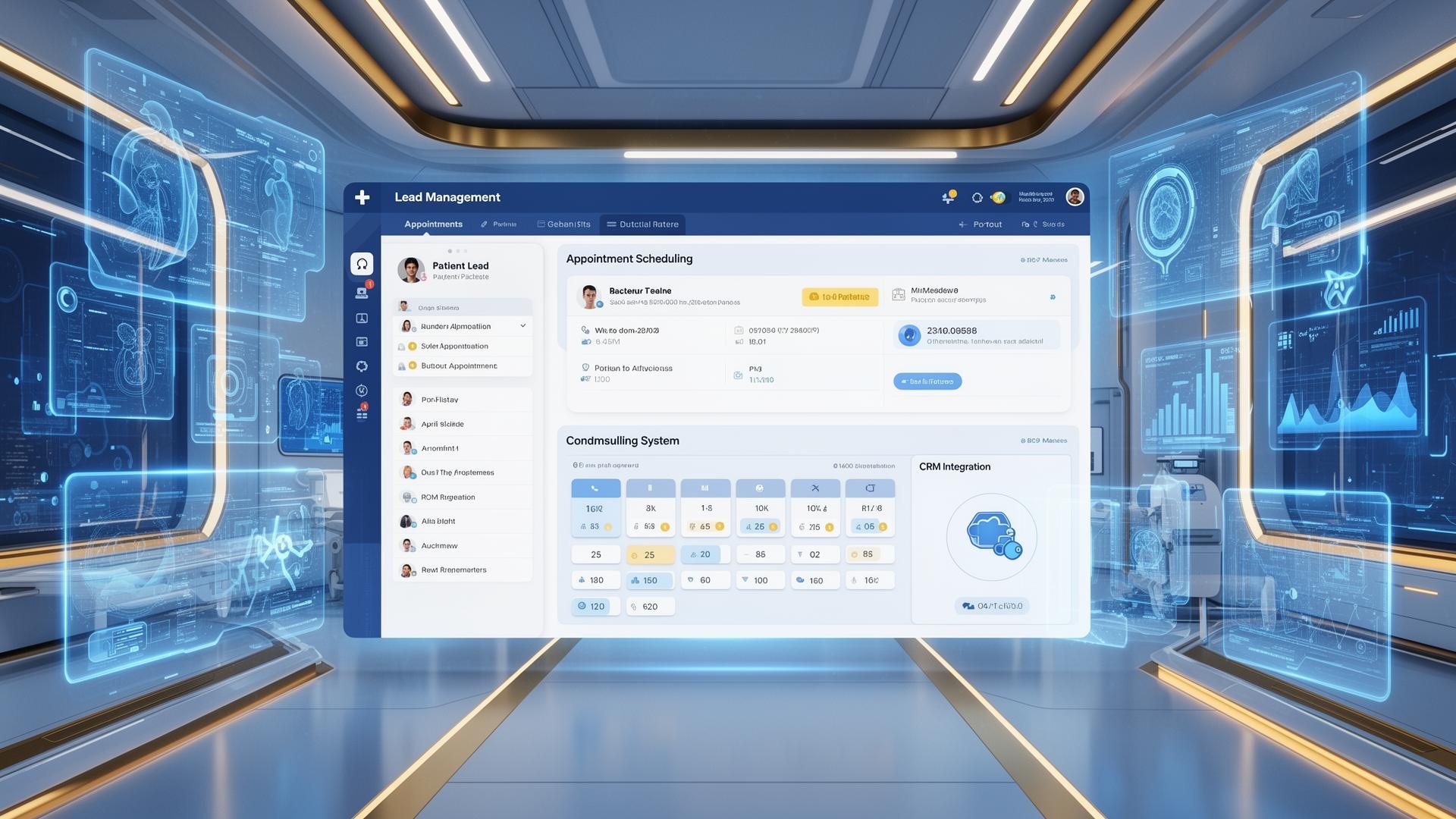
- Appointment scheduling: Books consultations directly into the clinic's calendar system
- CRM synchronization: Updates patient records in real time
- Multilingual support: Communicates in multiple languages simultaneously
- 24/7 availability: Responds to inquiries at any hour without staffing requirements
How AI Agents Differ from Chatbots
A common misconception is that AI sales agents are simply advanced chatbots. The distinction is fundamental:
| Feature | Traditional Chatbot | AI Sales Agent |
|---|---|---|
| Response Logic | Rule-based, scripted | Contextual, AI-driven |
| Conversation Flow | Linear, menu-driven | Dynamic, adaptive |
| Lead Qualification | None or basic | Intelligent scoring |
| Action Capability | Limited to FAQs | Books appointments, updates CRM |
| Learning | Static | Improves over time |
| Language Support | Single language typically | Multilingual in real time |
| Integration | Standalone | Connected to CRM, calendar, analytics |
Traditional chatbots follow predetermined scripts and break when patients ask unexpected questions. AI sales agents understand intent, maintain conversation context across multiple interactions, and execute complex workflows autonomously.
What Is AI Automation in Healthcare?
AI automation in healthcare refers to the application of artificial intelligence systems to streamline operational, administrative, and patient-facing processes. This includes:
- Patient intake automation: Collecting and organizing patient information before appointments
- Appointment management: Scheduling, rescheduling, and sending reminders automatically
- Lead routing: Directing patient inquiries to the appropriate department or specialist
- Follow-up sequences: Automated post-consultation communication and feedback collection
- Revenue cycle optimization: Reducing no-shows and improving consultation conversion rates
AI automation does not replace clinical decision-making. It operates in the operational layer — ensuring that the administrative and communication processes surrounding patient care are efficient, consistent, and scalable.
Technical Workflow: How an AI Sales Agent Processes a Healthcare Lead
Understanding the technical workflow helps healthcare administrators evaluate how AI sales agents integrate into existing operations:
Step 1: Lead Capture
The AI agent monitors multiple channels simultaneously — website contact forms, WhatsApp messages, social media direct messages, and phone inquiries. Each incoming interaction is captured and logged automatically.
Step 2: Lead Qualification
Using predefined criteria, the AI agent evaluates each lead:
- What medical service is the patient seeking?
- What is the urgency level?
- Does the patient have insurance or payment preferences?
- What language does the patient prefer?
- What is the patient's location (relevant for medical tourism)?
Step 3: Intelligent Response
Based on qualification data, the AI agent provides relevant information:
- Treatment options and general explanations
- Pricing frameworks (where applicable)
- Doctor availability
- Facility information and accreditations
Step 4: Appointment Booking
Once the patient expresses intent, the AI agent accesses the clinic's scheduling system to offer available slots, confirm bookings, and send confirmation messages via the patient's preferred channel.
Step 5: CRM Synchronization
All interaction data — conversation history, qualification details, appointment status, and patient preferences — is synchronized to the healthcare provider's CRM system in real time.
Step 6: Follow-Up Automation
Post-booking, the AI agent manages:
- Appointment reminders
- Pre-consultation preparation instructions
- Post-consultation feedback collection
- Re-engagement for patients who did not complete booking
AI Sales Agent vs. Traditional Receptionist vs. Chatbot
| Capability | Human Receptionist | Basic Chatbot | AI Sales Agent |
|---|---|---|---|
| Availability | Business hours only | 24/7 | 24/7 |
| Languages | 1–2 typically | 1 | 10+ simultaneously |
| Response Time | Minutes to hours | Instant (scripted) | Instant (contextual) |
| Lead Qualification | Manual, inconsistent | None | Automated, consistent |
| Appointment Booking | Manual entry | Not available | Automated integration |
| CRM Updates | Manual | Not available | Real-time sync |
| Cost Scalability | Linear (more staff needed) | Low but limited | Scales without additional cost |
| Patient Experience | Variable | Frustrating when off-script | Consistent and personalized |
How AI Sales Agents Improve Patient Acquisition in Competitive Healthcare Markets
The UAE Healthcare Landscape
Healthcare providers in the UAE coordinate patient enquiries and service delivery across clinics, hospitals and digital channels. With hundreds of clinics and hospitals competing for patients — particularly in Dubai and Abu Dhabi — the speed and quality of initial patient interaction directly impacts acquisition rates.
AI sales agents provide UAE healthcare providers with:
- Instant response to website and WhatsApp inquiries in Arabic and English
- Automated qualification that identifies high-value patients (insurance type, treatment complexity)
- Seamless booking that reduces the gap between inquiry and consultation
Turkey and Medical Tourism
Healthcare providers serving international patients in Turkey often manage multilingual enquiries, treatment questions and scheduling across multiple channels and time zones. The operational challenge is maintaining consistent qualification, follow-up and handover throughout the patient journey.
AI sales agents address this by:
- Communicating in Turkish, Arabic, English, Russian, and German simultaneously
- Providing instant pricing and treatment information based on the patient's specific inquiry
- Managing the entire journey from initial contact through travel coordination
Healthcare providers in Turkey competing in the global medical tourism market require structured AI Sales Agent implementation rather than basic chatbot tools.
International Medical Tourism Markets
For healthcare providers serving international patients, AI sales agents eliminate the operational bottleneck of managing inquiries across:
- Multiple languages
- Different time zones
- Varying healthcare expectations and regulatory environments
- Complex coordination requirements (travel, accommodation, treatment scheduling)
Operational Efficiency: The Data Perspective
Healthcare organizations implementing AI sales agents report measurable improvements:
- Response time reduction: From an average of 4–6 hours to under 30 seconds
- Lead-to-appointment conversion: Supports stronger qualification and conversion processes compared with manual handling
- No-show handling: Supports appointment reminders and structured follow-up through automated confirmation sequences
- Staff reallocation: Administrative staff redirected to higher-value patient-facing tasks
- Out-of-hours coverage: A meaningful share of enquiries arrives outside business hours and can be captured and qualified continuously
These improvements compound over time as the AI system processes more interactions and refines its qualification and response patterns.
Multilingual Communication in Medical Tourism
Medical tourism depends on trust, and trust begins with communication in the patient's native language. AI sales agents handle multilingual communication differently from translation tools:
- Native-level conversation: Not word-for-word translation but culturally appropriate communication
- Medical terminology accuracy: Understanding healthcare-specific terms across languages
- Channel preference alignment: Some markets prefer WhatsApp (Middle East), others prefer web chat or email (Europe)
- Cultural sensitivity: Adjusting communication style based on the patient's cultural context
A properly designed AI agent architecture ensures that no high-intent international patient inquiry goes unanswered.
How Altinkey Designs Custom AI Sales Agents for Healthcare
Altinkey approaches healthcare AI automation as a systems integration challenge rather than a software deployment. The methodology follows a structured process:
1. Operational Audit
Before building any automation, Altinkey maps the healthcare provider's existing patient acquisition workflow — identifying bottlenecks, drop-off points, and communication gaps.
2. Workflow Architecture
Based on the audit, a custom AI workflow is designed that integrates with the provider's existing systems:
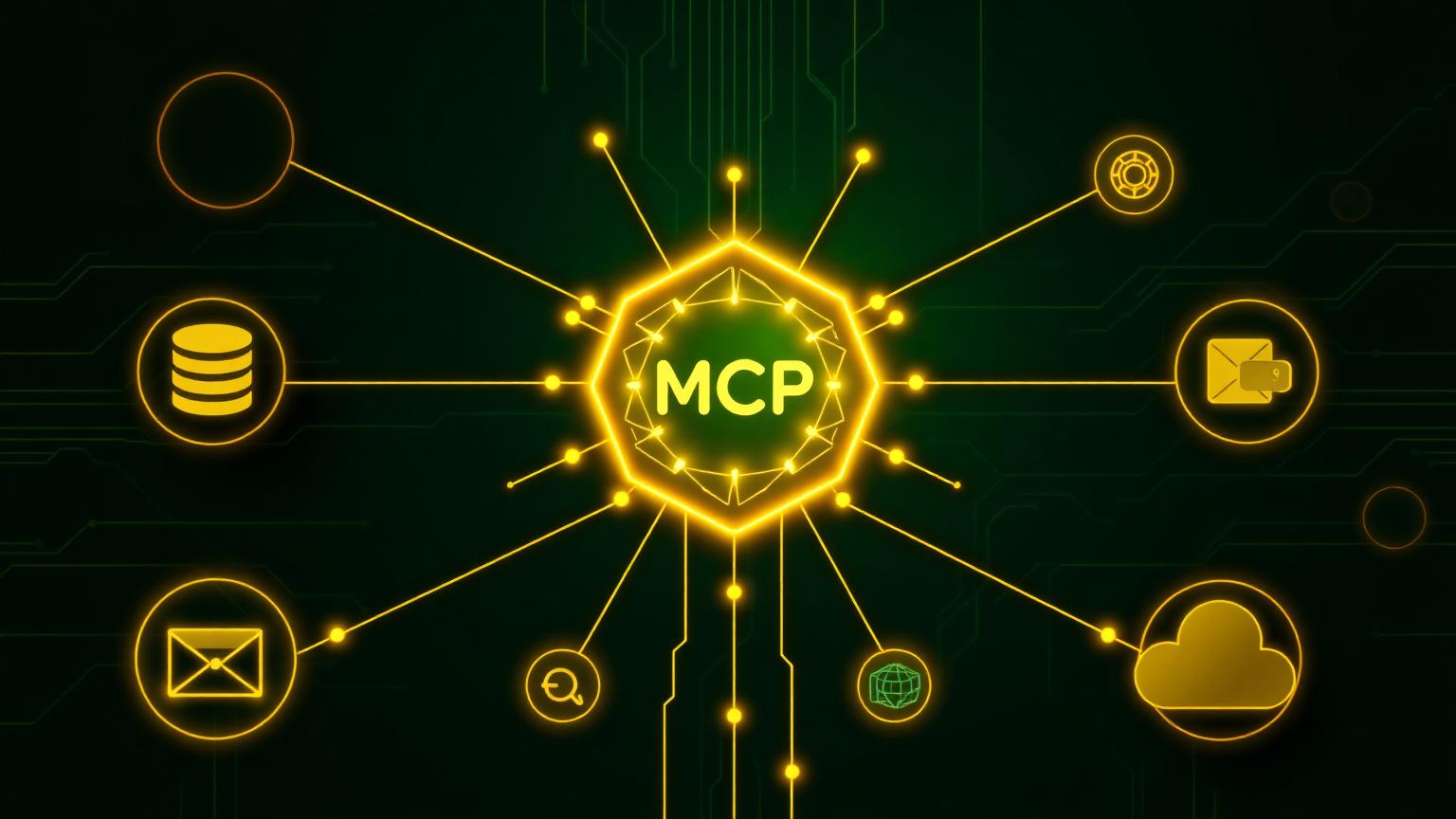
- CRM platforms (HubSpot, Salesforce, Zoho, custom systems)
- Calendar and scheduling tools
- WhatsApp Business API
- Website and landing page forms
- Marketing automation platforms
3. AI Agent Configuration
The AI agent is trained on the provider's specific:
- Service catalog and pricing structure
- Doctor profiles and specializations
- Frequently asked questions
- Qualification criteria and priority rules
- Language requirements
4. Integration and Testing
The configured AI agent is integrated into the production environment with:
- Parallel operation alongside existing staff during the transition period
- Performance monitoring and response quality auditing
- Continuous refinement based on real patient interactions
5. Performance Optimization
Post-deployment, Altinkey monitors:
- Conversion rates at each stage of the patient acquisition funnel
- Response quality and patient satisfaction indicators
- System reliability and uptime metrics
- ROI analysis comparing pre and post-implementation performance
This approach positions Altinkey as an AI automation integrator and custom workflow architect — connecting performance marketing, CRM automation, and WhatsApp-based patient communication into a unified acquisition system.
Frequently Asked Questions
What types of healthcare facilities benefit from AI sales agents?
AI sales agents are applicable to hospitals, specialty clinics, dental practices, aesthetic and cosmetic surgery centers, fertility clinics, ophthalmology centers, and medical tourism agencies. Any healthcare provider that receives patient inquiries and needs to convert them into appointments can benefit.
How does an AI sales agent handle sensitive medical information?
AI sales agents in healthcare are configured to collect only operationally necessary information during the initial contact phase. They do not make clinical assessments or store protected health information beyond what is needed for appointment scheduling and CRM synchronization. Data handling complies with applicable regulations including HIPAA guidelines and local data protection laws.
Can AI sales agents replace human staff entirely?
No. AI sales agents handle the operational layer of patient acquisition — initial response, qualification, scheduling, and follow-up. Complex medical consultations, emotional support, and clinical decision-making require human professionals. The AI agent reduces the administrative burden so that human staff can focus on higher-value interactions.
How long does implementation take?
Typical implementation timelines range from 2 to 6 weeks depending on the complexity of the healthcare provider's existing systems, the number of communication channels, language requirements, and CRM integration depth.
What languages can AI sales agents support?
Modern AI sales agents can support virtually any language. For healthcare and medical tourism, the most commonly configured languages include English, Arabic, Turkish, Russian, German, French, and Spanish.
How do AI sales agents integrate with existing CRM systems?
AI sales agents connect to CRM platforms via APIs and webhook integrations. This enables real-time synchronization of patient data, conversation history, appointment status, and lead scoring information.
Glossary
AI Agent: An autonomous software system that perceives its environment, processes information using artificial intelligence, and takes actions to achieve specific objectives without continuous human supervision.
Conversational AI: A category of artificial intelligence focused on enabling natural, human-like dialogue between machines and people across text and voice channels.
Lead Qualification: The systematic process of evaluating potential customers (or patients) against defined criteria to determine their likelihood of conversion and priority level.
CRM Integration: The technical connection between an AI system and a Customer Relationship Management platform, enabling automated data synchronization and workflow triggering.
Healthcare Automation: The application of technology systems — including AI, robotic process automation, and workflow engines — to streamline administrative, operational, and communication processes in healthcare organizations.
Medical tourism businesses require automation systems that integrate marketing performance with AI-driven qualification and booking workflows.
Moving from Generic Tools to Custom Healthcare Automation
Healthcare institutions operate in a regulated, trust-dependent environment where generic chatbot tools consistently underperform. The patient acquisition process requires intelligent systems that understand medical context, communicate across languages, and integrate deeply with clinical scheduling and CRM infrastructure. Organizations exploring this approach can review the Altinkey AI Sales Agent solution for a detailed look at implementation methodology and sector-specific workflow architecture.
Talk to Our AI Automation Specialist
Ready to explore how AI sales agents can transform your healthcare patient acquisition process?
📱 WhatsApp: +90 534 666 68 99
Explore the Full AI Sales Agent Framework
For a deeper understanding of AI sales agent capabilities, workflow design, and implementation approach, visit our dedicated AI Sales Agent implementation framework.